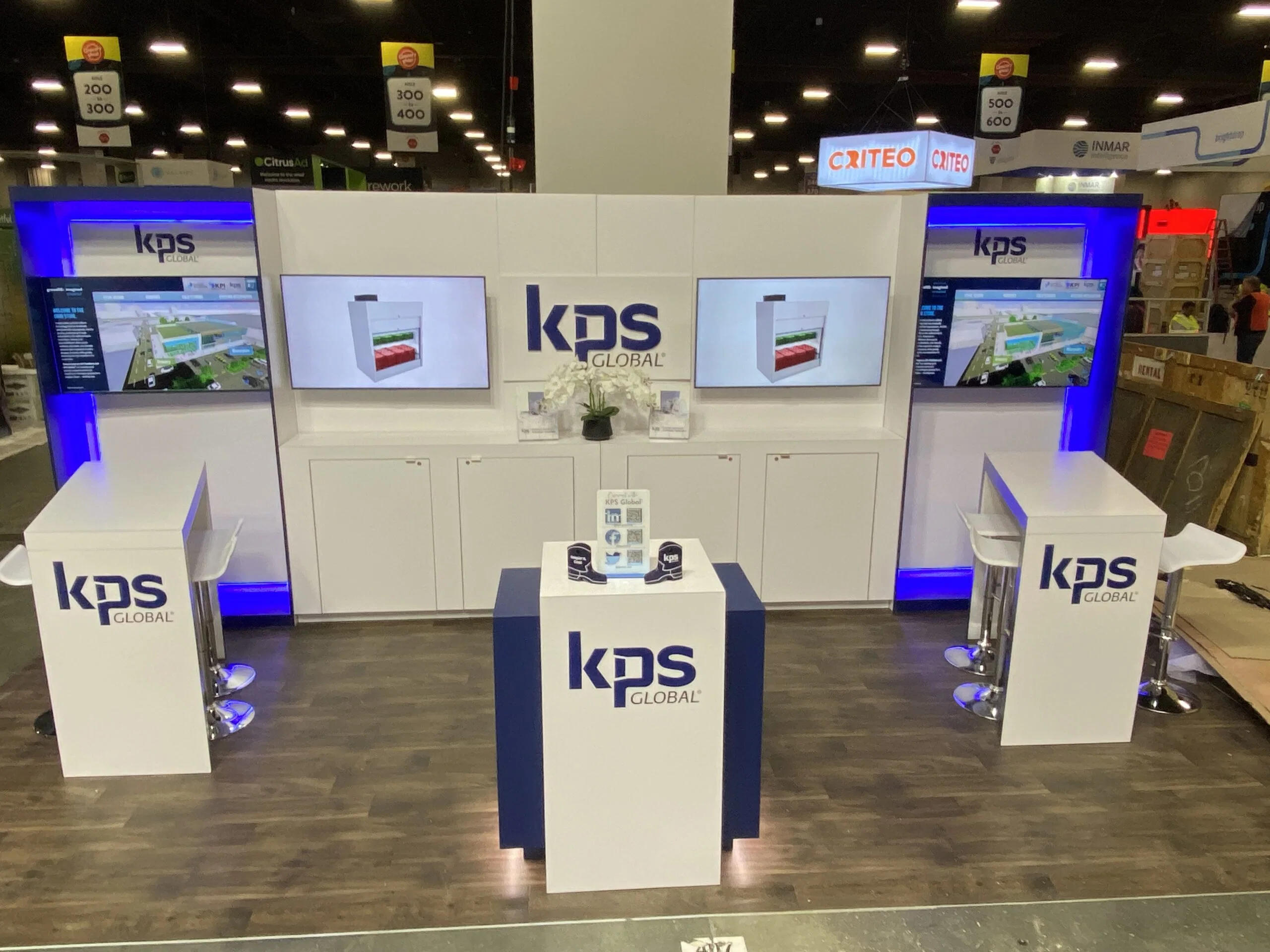
Installation and dismantle work is the field version of every earlier decision. If the order of work is wrong, even a good design or good freight plan can still collapse once the tools come out.
In Reno, Installation and Dismantle Services works best when rigging, flooring, graphics, AV, and final client review all have a known place in the day.
Reno as a trade show city
Reno doesn't slow down for late planners. Venues book months ahead, freight is tight, and the service that lands cleanly is the one with a plan already in hand.
Attendee profiles vary by show. The service's floor mechanics — print, services, labor, building-specific planning — don't.
Reno Tahoe has 130-plus daily flights and more than 20 nonstop routes — a useful reference point when sizing a project.
the Reno-Sparks Convention Center includes more than 600,000 square feet of flexible space and 381,000 square feet of exhibit halls, which sets the practical ceiling for a booth program working the market.
Where Reno shows cluster
The North Lake Tahoe area runs through Incline Village, Crystal Bay, Tahoe City, Truckee.
Carson City and Carson Valley Extension — Carson City, Minden, Gardnerville — is a different environment. Smaller-city extension zone for government, regional business, hospitality, and off-site event demand that still routes naturally through Reno operations.
Who handles what during the Reno install window
Labor assumptions cause most Reno install issues. Reading the manual for the specific show — not the last one — prevents them on the service.
service labor planning works when it's boring. Read the manual, fit scope to categories, order direct, schedule around windows. Variance comes from omitted steps.
At Peppermill Resort Spa Casino, it provides a complete range of in-house services for meetings and groups.
Tahoe and special-event facilities often require F&B, production, and decor through approved partners. The service's plan matches each venue's published requirements.
Where Reno shows actually happen
Venue selection is the heaviest variable on the service. A small set of Reno buildings carry most of the calendar.
Reno venues differ on labor jurisdiction, rigging approvals, drayage, and posted move-in windows. The service plan keys off the specific building, not a generic template.
Reno Events Center. The venue offers 118,000 square feet overall and 56,000 square feet of total meeting space.
The neighboring Reno Ballroom adds another 28,000 square feet of flexible space with banquet services.
Reno Events Center suits downtown conventions, consumer shows, arena floor exhibits, conference plus ballroom combos.
Reno Ballroom: the Reno Ballroom offers 28,000 square feet of flexible meeting space.
National Bowling Stadium is one of the anchors. The National Bowling Stadium features 78 lanes and a 32,000-square-foot event concourse.
What's included in the project scope
The services projects typically include design work, fabrication or rental sourcing, graphics production, show-service paperwork, freight, install, show-hours coverage, and strike.
On a typical sheet: fabrication or rental kit, print, AV, venue services, labor, freight both directions, supervision days, plus a closeout block. Some services carry more on the AV side, others on labor.
Few surprises on install day track back to clean handoffs upstream. Many surprises track back to loose ones — the service doesn't change that math.
When the calendar runs across cities, asset management goes on the docket — storage, refurbishment, graphic swaps, re-crating. The service stays in production-ready condition between dates.
Clean scope spells out what's not included on the service: organizer charges, client staff travel, plus pre-existing client contracts (CRM, lead capture, promo). Those integrate, but they don't pass through.
From first call to strike
Project intake is six fields: show, venue, booth number, dates, budget frame, and the service's role. Specifics in those slots are what enables a real scope to come back fast.
From the brief, the project moves to the building. Dock window, utilities, rigging approval, labor call — all confirmed in writing before tools touch the service.
Once the venue details are confirmed, production starts. Fabrication, print, AV integration, rental kit prep, and the show-site playbook all converge during this window.
The install belongs to a single named lead.
Show-day coverage is continuous. Tech, sponsor, and venue issues route through the on-site lead so the client's team can keep working leads.
Strike clears against the venue's published dismantle window and the project closes with a written debrief delivered before the team leaves the building.
Cost and lead time
Every quote uses the same lever set. The number changes based on how the service's scope tunes each lever.
Pricing comes down to six choices — build path, footprint, venue charges, graphics, freight, supervision days. A small turnkey rental and a large custom island sit at opposite ends of that range.
On the calendar: 16-to-20 weeks for a custom build, 8-to-12 for a rental program, 4-or-less for a rush — and rush means fewer options and premium pricing on materials.
How project performance gets measured
What a good engagement looks like: install on time, no venue callouts, clean show hours, and a closeout that makes the next event easier to book.
The KPIs that matter — leads, meetings booked on the floor, qualified pipeline — sit downstream of the build. The service is the platform; the operators close the gap.
Debriefs make the booth measurable: which areas drew traffic, which converted, which under-performed. The data either gets logged into the next service or gets lost on a hard drive.
Why Trade Show Services of Reno
Local team, full stack: design, fabrication, graphics production, show-site labor. One shop, one accountable PM, one named lead per project — including this service.
Replacement service components or graphics are sourced from the Reno shop, not flown in.
Carrying one crew across the calendar pays off compound interest: faster installs, fewer call-backs, tighter strike windows. By the fourth show, the service runs on the documented playbook.
Frequently asked questions
Do you work at the Chateau at Incline Village?
Yes. The Chateau offers 5,200 square feet of flexible meeting space with mountain and lake views.
How does labor work in Reno?
It runs venue by venue.
Who owns the post-show closeout?
The same project lead who ran the install.
How do you protect the timeline if a vendor slips?
Critical-path items have a backup shop named at kickoff.
What does success look like one show in?
Clean install with no venue callouts, the booth running through every show hour, leads captured against the plan, and a closeout package the marketing team can use to brief the next event.