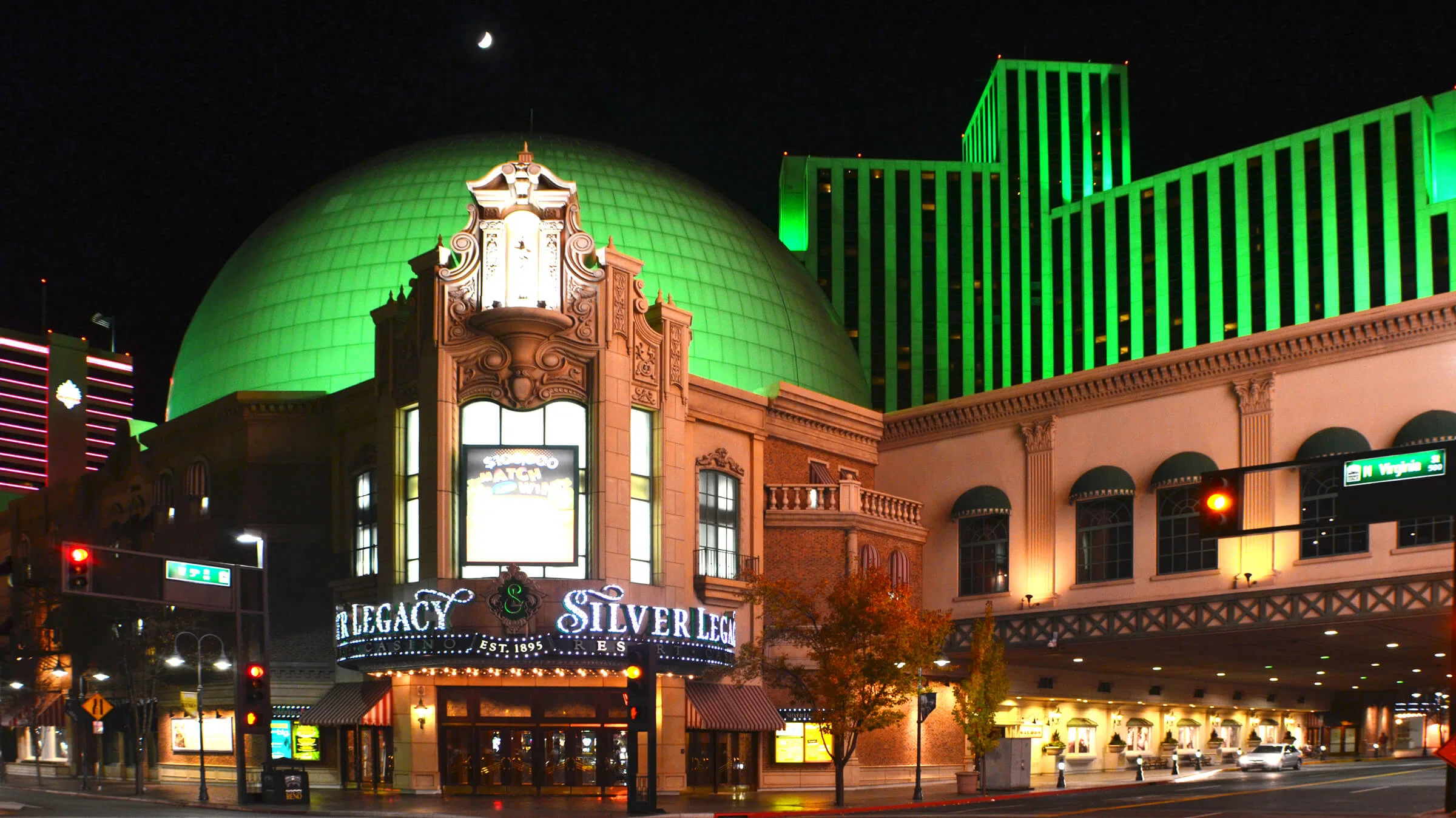
Silver Legacy lives inside the downtown resort machine, which means the event inherits the advantages and the friction of the core at the same time. The venue is about centrality, density, and downtown energy.
In Reno, Silver Legacy Resort Casino works best when the team leans into that core behavior instead of treating the property like a standalone resort in a quieter corridor.
Working at Silver Legacy Resort Casino
THE ROW combined offers over 4,100 guest rooms and more than 180,000 square feet of meeting and convention space.
Silver Legacy's meeting spaces include ballrooms and meeting rooms suited to conferences, banquets, and trade show overflow programs.
The resort sits steps from the Reno Ballroom and Reno Events Center, making it a practical downtown convention headquarters option.
The casino tends to work best for downtown convention hotel overflow, ballroom conferences, sponsor receptions, combined multi resort event programs.
Reno as a trade show city
Reno doesn't slow down for late planners. Venues book months ahead, freight is tight, and the venue that lands cleanly is the one with a plan already in hand.
Pulling back on spend doesn't pull back on visibility — competitors are still in the same booth neighborhoods. The venue succeeds by being specific, not by being cheap.
Who handles what during the Reno install window
Sticking with the venue's published rules for the specific show keeps the venue clean.
The venue runs cleanly when those lines are clear.
At Tahoe Blue Event Center, food and beverage is in-house and AV support is handled through in-house or exclusive partners, which means conference-center execution should be framed around venue-managed production.
F&B, production, and decor on Lake Tahoe special-event venues usually pass through pre-approved teams. The venue adjusts to whichever venue is hosting.
Line items on a typical project
Some venues carry more on the AV side, others on labor.
The fewer hands on the venue, the cleaner the execution.
The goal is for the venue to clear move-in at every stop without a rebuild.
Default exclusions: show organizer fees, booth lease payments to the show, client staff travel and per diems, and any client-owned software or lead-capture stack. Those run alongside the venue, not through the invoice.
From first call to strike
Every engagement on the venue starts with the same four inputs: venue, show dates, footprint, target outcome. Without all four, the plan is hypothetical.
Each step matches the venue's requirements.
Production is where the plan becomes a physical venue: fab, graphics, AV, rentals, plus the show-site lead are all confirmed.
Install: one lead, one accountable owner. The venue runs through them with a daily status update to the client.
While doors are open, the venue is a live op. Repairs, sponsor changes, lead capture issues, and venue questions all route through the on-site team.
venue closeout: strike, crate, manifest, storage designation, written report within a day. That report drives planning for the next show.
Cost and lead time
Pricing on the venue traces back to real line items — fabrication, print, services, labor, freight, travel.
Cost on the venue scales with build path, footprint, venue services, graphics, freight distance, and on-site days. Each variable shifts the number.
Lead-time math drives the venue: custom 16-20, rental 8-12, sub-4 is rush territory with limited options.
What a successful project looks like
On a Reno project, success is concrete: install on time, first-walk pass, show hours without incident, same-day strike shipout. The venue is measured against each.
Trade show ROI lives at the lead and pipeline level. The venue's on-floor execution either protects those numbers or erodes them.
Post-show, the venue's actual floor results emerge inside a week.
Why Trade Show Services of Reno
Local team, local shop, local result. Trade Show Services of Reno keeps the venue's design, build, and install on one team and one playbook.
On install day, local pays back. The venue fix is across town, not across the country.
Repeat clients with continuous teams pay less per event over time. Each venue requires less reset because nothing's been forgotten.
Frequently asked questions
How does labor work in Reno?
It runs venue by venue.
Can fabrication finishing happen on-site?
In most halls, yes — touch-up paint, graphic vinyl, AV tuning, and flooring assembly happen during the install window. Spray finishing, welding, and any wet work require pre-approval and matching venue safety paperwork.
How are utility orders and electrical handled?
Utility orders go through the venue's service portal at the advance rate. Electrical drops, water, compressed air, and Internet are confirmed against the booth plan before deadlines, then re-checked the morning of install.
What's the strike window after doors close?
Each show publishes its own teardown timeline; most Reno halls allow four to eight hours for booth strike before forced freight kicks in. The crew chief stages outbound crates and labels during the show day to land inside the window.