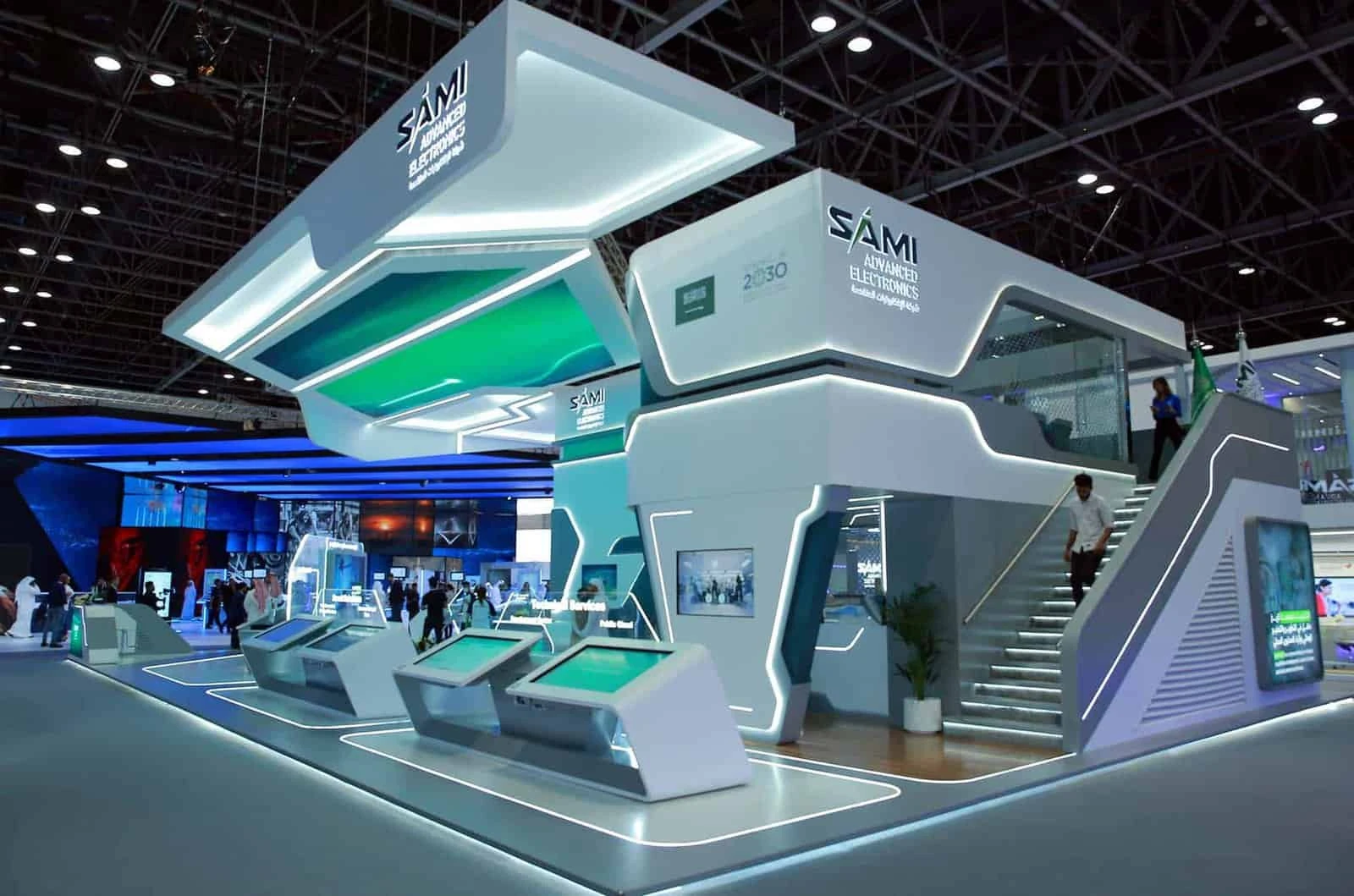
Sponsorship activation matters when a partner needs more than branding. The event has to create an experience, a cue, or a guest behavior that makes the sponsorship feel real.
In Reno, Sponsorship Activation Services works best when the sponsor rights, the audience action, and the recap goal are all part of one production brief.
What drives the Reno calendar
Reno carries one of the heaviest convention calendars in the western US. Hotel inventory is scarce on overlap weeks, and the building decides what is possible for the event type.
The audience changes; the event type doesn't.
The buildings that host Reno events
Floor plans, labor jurisdictions, freight realities — all change building-to-building in Reno. The event type adapts per venue.
The event type plan reflects whichever building is on deck.
Whitney Peak Hotel is one of the anchors. The hotel has 11 meeting rooms and more than 20,000 total square feet of event space.
The official meetings section highlights the 5,125-square-foot Whitney Peak Ballroom.
Whitney Peak Hotel suits downtown conferences, executive meetings, receptions near the Reno Arch, smaller exhibit support programs.
Hyatt Place Reno-Tahoe Airport. Hyatt Place Reno-Tahoe Airport has 1,800 square feet of meeting and event space.
The Discovery: it can host groups from 15 to 1,800 and offers 67,000 square feet of galleries and exhibits alongside private event spaces.
What makes our work different
On the event type, design, build, and install share one team and one playbook — that's the lever that keeps quality steady through show week.
Replacement event type components or graphics are sourced from the Reno shop, not flown in.
Continuity is a local hire's other advantage: the same builders run install and pack-out, and they catch the small issues on the event type without pulling the client in.
How Reno floor operations work
Each Reno venue runs its own labor playbook. The event type respects whatever rules the building publishes — not whatever the last show used.
event type labor planning works when it's boring. Read the manual, fit scope to categories, order direct, schedule around windows. Variance comes from omitted steps.
Practical planning rules for the services in Reno: Convention-center and resort programs usually benefit from early coordination on utilities, freight access, storage, move-in timing, and venue approvals. Lake Tahoe and special-event venues often route food, beverage, production, and decor through in-house or approved teams.
Where Reno shows cluster
North Valleys, Stead, Lemmon Valley, Golden Valley form the North Valleys and West I-80 Logistics Belt cluster.
Carson City and Carson Valley Extension runs across Carson City, Minden, Gardnerville. Smaller-city extension zone for government, regional business, hospitality, and off-site event demand that still routes naturally through Reno operations.
What's included in the project scope
Many surprises track back to loose ones — the event type doesn't change that math.
What's outside the event type's scope by default: organizer fees, client team travel, and client-owned tools (lead capture, CRM, promo). They sit alongside the project, not inside it.
How a project runs
Four inputs open every event type: venue, show dates, footprint, target outcome. Anything less, and the plan is guesswork.
Fabrication does not start until those are locked.
event type production: fab, print, AV spec, rentals, crew chief named. Longest single phase; timeline integrity rises and falls inside it.
On install days, the event type has one named lead. They hold the plan, work the punch list in real time, and report status up once a day.
Through every show hour, the lead remains on the floor. Tech failures, sponsor swaps, building requests get handled by the event type team without pulling client staff off conversations.
Same-day work on the event type's back end: strike, storage labels, outbound manifests, vendor performance notes, written debrief — all inside 24 hours of doors closing.
Pricing and scheduling
Every quote uses the same lever set. The number changes based on how the event type's scope tunes each lever.
Cost on the event type is driven by six levers: custom vs rental, footprint, venue labor and rigging fees, graphics scope, freight, supervision days.
Lead time sets the event type's shape. Custom 16-20 weeks, rental 8-12, under 4 means narrower choices and higher cost.
What a successful project looks like
A successful project measures up on four points: on-time install, no venue infractions, clean show hours, and documentation that simplifies the next event.
The event type is upstream of those, not the metric itself.
Post-show, the event type's actual floor results emerge inside a week.
Frequently asked questions
Do you work at Peppermill Resort Spa Casino?
Yes. it has 106,000 square feet of meeting space.
How does labor work in Reno?
It runs venue by venue.
What KPIs typically drive this event format?
Lead volume, qualified meetings booked on the floor, and post-show pipeline are the standard read. Sponsor activations add brand-lift and dwell-time metrics; hospitality programs add executive-meeting counts.
How do exhibit hours, keynote sessions, and floor traffic interact?
Floor traffic peaks bracket general sessions and meal breaks. The booth plan staffs against those peaks instead of running a flat schedule across the whole day.
What sponsorship tiers usually come with this format?
Most shows publish a tier matrix: signage placements, branded experiences, attendee gifts, and stage time at general sessions. The deliverables on each tier are checked against the production timeline before the contract is signed.