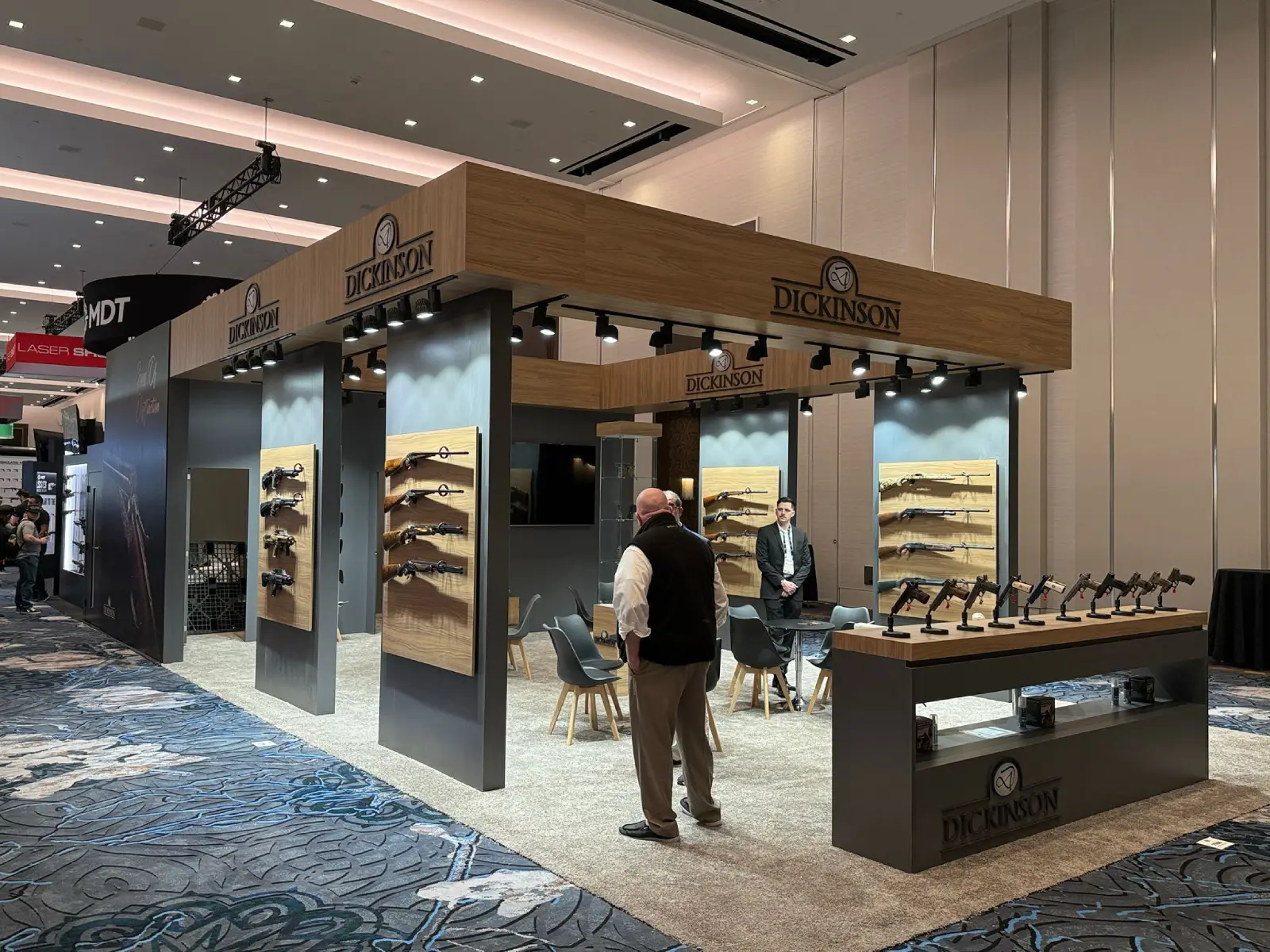
Advance warehouse planning is about sequence, not storage for its own sake. The real value is having the right pieces ready in the right order before show-site time gets expensive.
In Reno, Advance Warehouse and Logistics Planning works best when receiving visibility, staging order, and outbound thinking are all built into one pre-show logistics plan.
The Reno event landscape
Reno's show calendar runs hot. Convention weeks fall on top of each other, hotels are short, and each venue decides what the service can and can't do.
Reno's trade show weeks compress every decision. Exhibitors planning loosely lose hours they can't get back.
the market has more than 15,000 hotel rooms and 10-plus major partner resorts, which sets the practical ceiling for a booth program working the market.
Where Reno shows cluster
The Carson City and Carson Valley Extension area runs through Carson City, Minden, Gardnerville, Dayton.
North Lake Tahoe runs across Incline Village, Crystal Bay, Tahoe City. Supports executive retreats, incentive programs, and North Tahoe off-sites led by resorts, clubs, and scenic venues.
How Reno floor operations work
Labor jurisdictions in Reno are venue-specific, not citywide. Each building's manual sets the rules the service has to clear.
Concrete steps: open the current exhibitor manual, then get email confirmation on three points — house jurisdiction, GC jurisdiction, exhibitor or appointed contractor scope. The service then plugs into the right path.
Reno Tahoe destination positioning — the destination offers unique planning flexibilities and cost savings for hosts, exhibitors, and attendees, which supports a more flexible public posture than strict union-only convention markets.
Practical planning rules for the planning in Reno: Convention-center and resort programs usually benefit from early coordination on utilities, freight access, storage, move-in timing, and venue approvals.
The buildings that host Reno events
Across Reno's venue set, three things shift: floor plan, labor model, freight model. The service reads each and adjusts.
Across Reno's venue set, four things shift between buildings: labor model, rigging approval path, drayage setup, and move-in window. The service plan reflects whichever building is on deck.
National Automobile Museum: gallery Four offers 12,000 square feet of event space.
Gallery Four handles up to 300 seated or 600 standing guests and includes a stage, two video walls, and an LED center screen.
National Automobile Museum suits automotive themed events, product reveals, receptions, presentation led off sites.
Rancharrah is one of the anchors. The Event Room handles roughly 85 to 100 guests while the Backyard can host up to 500 guests.
Scope on a advance warehouse and logistics planning project
The planning projects typically include design work, fabrication or rental sourcing, graphics production, show-service paperwork, freight, install, show-hours coverage, and strike.
The handoffs on an the planning project matter almost as much as the line items. Design has to hand a build-ready drawing to fabrication. Every handoff is a place quality can drop.
On repeat programs, storage, refurbishment, graphic rotation, and re-crating ride alongside the project number. Nothing is left to figure out the week before the next show.
What sits outside the service: organizer fees, client staff costs, client-owned tools. Each is named in the contract so there are no billing surprises later.
How a project runs
First call defines the show, the plan, the deadlines, and what a successful service looks like. Everything afterward references those four points.
Coordination with the venue is the next phase: current manual pulled, dock and freight windows confirmed, rigging approvals submitted, utility orders placed — all aligned to whatever the service requires.
Production starts after venue confirmation.
One person owns the install. Labor calls, graphic questions, sequencing, and the daily update for the service all route through them.
When the booth is open, it's an operating environment. Repairs, sponsor changes, lead capture, venue requests — all handled by the service team.
Strike clears against the venue's published dismantle window and the project closes with a written debrief delivered before the team leaves the building.
What it costs and how fast it moves
Pricing on the service traces back to real line items — fabrication, print, services, labor, freight, travel. Round numbers without that breakdown almost always hide an assumption.
Six levers drive the quote — build path, footprint, venue service fees, graphics, freight, supervision days. The same square footage on paper can produce wildly different totals depending on how those six are configured.
Clean schedules start 4-5 months out for custom and 2-3 months for rentals. Tighter windows still work but push rush premiums and narrow the material list for the service.
What a successful project looks like
On a Reno project, success is concrete: install on time, first-walk pass, show hours without incident, same-day strike shipout. The service is measured against each.
The service is an upstream input to those numbers, not the metric itself.
The booth is a platform; staff are the operators. The best programs treat the service that way, and floor discipline drives the KPIs more than any scenic choice.
How we're built to run your project
All production for the service happens in Reno — custom fab, rental, print, and show-site labor all under one roof.
Where local beats national is at the dock — most install-day problems on the service get solved in the time it takes to drive back from the shop with the right part.
Multi-show programs with a continuous team compound: each install is sharper than the last. By show four, the service runs from notes and muscle memory rather than first principles.
Frequently asked questions
Do you work at the Discovery?
Yes. It can host groups from 15 to 1,800 and offers 67,000 square feet of galleries and exhibits alongside private event spaces.
How does labor work in Reno?
It runs venue by venue.
How is the working budget set?
Two passes.
Who owns the post-show closeout?
The same project lead who ran the install.
How do you protect the timeline if a vendor slips?
Critical-path items have a backup shop named at kickoff.