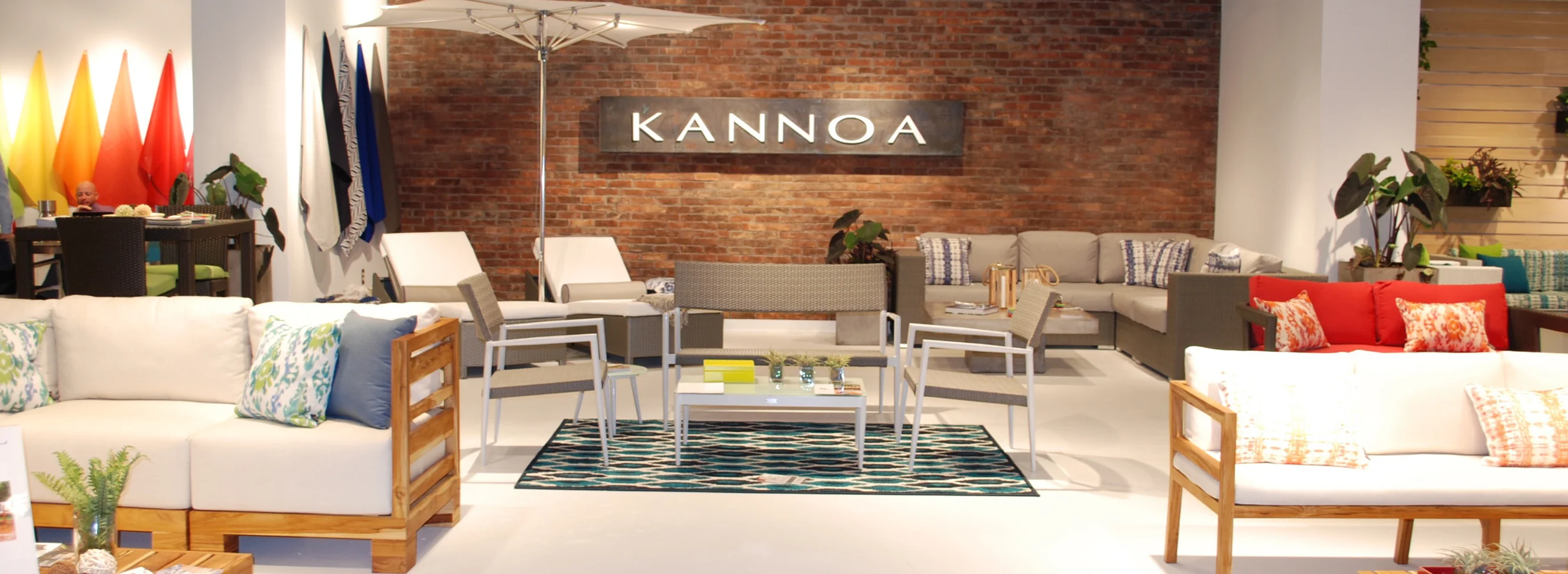
Furniture is not filler when the event depends on hospitality, meetings, or longer dwell time. The wrong inventory can make a premium room feel temporary or make a busy one feel chaotic.
In Reno, Event Furniture and Lounge Environments works best when seating posture, table density, and brand tone are all chosen with the actual event behavior in mind.
Reno as a trade show city
Exhibiting in Reno means working inside an established ecosystem. The service navigates predictable venues, labor models, and local production capacity.
Exhibitors trimming budget for Reno still face full-budget competitors on the same floor. The win comes from precision in the service, not from a generic template build.
Reno Tahoe has 130-plus daily flights and more than 20 nonstop routes, which sets the practical ceiling for a booth program working the market.
Where Reno shows actually happen
Building choice outweighs most other variables on the service. A handful of Reno venues handle the bulk of the calendar.
The venue walk uncovers what the spec sheet hides on the service: column spacing, ceiling at the grid, dock access. Each one shapes what's actually buildable.
Rancharrah is one of the anchors. The Event Room handles roughly 85 to 100 guests while the Backyard can host up to 500 guests.
Tahoe Blue Event Center. It has more than 50,000 square feet of total meeting, convention, and exhibition space.
Who handles what during the Reno install window
Reno install problems are almost always labor-related. Following the venue's published rules for that specific show keeps the service on track.
Labor planning on the service is three calls deep: exhibitor services, current manual, GC email. Trouble starts when any of the three gets skipped.
Flexible market, building-specific rules. The service runs through each venue's policies on docks, security, AV, catering, packages, exhibitor services — early coordination makes the difference.
Where Reno shows cluster
North Lake Tahoe covers Incline Village, Crystal Bay, Tahoe City, Truckee.
South Lake Tahoe and Stateline — Stateline, South Lake Tahoe, Zephyr Cove — is a different environment. Important for mountain-destination conferences, arena-floor events at Tahoe Blue, and casino-corridor hospitality programs.
Line items on a typical project
From design through strike, the scope is consistent: design, fabrication, graphics, AV, labor, freight, install, show-hours, dismantle. Where the service sits in that chain shapes which phases carry the most risk.
Common budget lines: booth structure, graphics, AV, venue service orders, labor calls, inbound and outbound freight, supervision days, and closeout. The mix flexes with how the service fits into the wider plan.
Good execution comes from a small team and short handoffs. Every extra vendor in the chain adds a layer where service details get lost.
Asset cycles show up on multi-show plans: storage at the Reno shop, refurbishment between dates, graphics rotated for each market, re-kitting against the next manifest.
Those connect to the service via coordination only.
From first call to strike
First task: nail the show, the floor plan, the deadline, and the success definition for the service. Everything else flows from there.
Once the venue details are confirmed, production starts. Fabrication, print, AV integration, rental kit prep, and the show-site playbook all converge during this window.
They run labor, graphic checks, sequencing, and the service's daily report.
Doors open turns the service into live ops. Repairs, sponsor swaps, lead capture, venue asks — all on the on-site team, not on client staff.
Once the doors close, strike runs against the venue's published window and a written debrief is filed the same day — what held, what slipped, what to fix.
Cost and lead time
Pricing on the service comes from real line items — fab or rental, graphics, show services, labor, freight, travel. Round-number quotes typically hide something.
Custom timelines run cleanest at 4-5 months. Rentals at 2-3. Compressing either one is doable but pushes rush charges into the service's number.
Outcomes we optimize for
What success looks like in Reno: booth on time, first-walk inspection pass, clean show hours, strike-day shipout. The service is held to those four metrics.
Tracked metrics typically run lead capture, floor meetings, and post-show pipeline. The service is built to support those numbers; it is not the number itself.
Best-performing programs put real operators on the service.
Why Trade Show Services of Reno
Local Reno production house — custom fabrication, rentals, graphics, and on-site labor under one roof for the service.
Local team, local shop, local fix. Most install-day issues with the service resolve inside the time it takes to drive across town.
Across a multi-show calendar, a single team produces compound returns — fewer surprises each install, the second faster than the first, and by the fourth the service runs on memory and written playbook rather than from scratch.
Frequently asked questions
Do you work at Reno Events Center?
Yes.
How does labor work in Reno?
It runs venue by venue. At Tahoe Blue Event Center, food and beverage is in-house and AV support is handled through in-house or exclusive partners, which means conference-center execution should be framed around venue-managed production.
What's billed flat versus pass-through?
Design, project management, fabrication, supervision days, and freight are flat. Venue services, drayage, electrical, rigging, and union labor pass through at venue rates with a clear estimate up front.
How is the working budget set?
Two passes.
Who owns the post-show closeout?
The same project lead who ran the install.