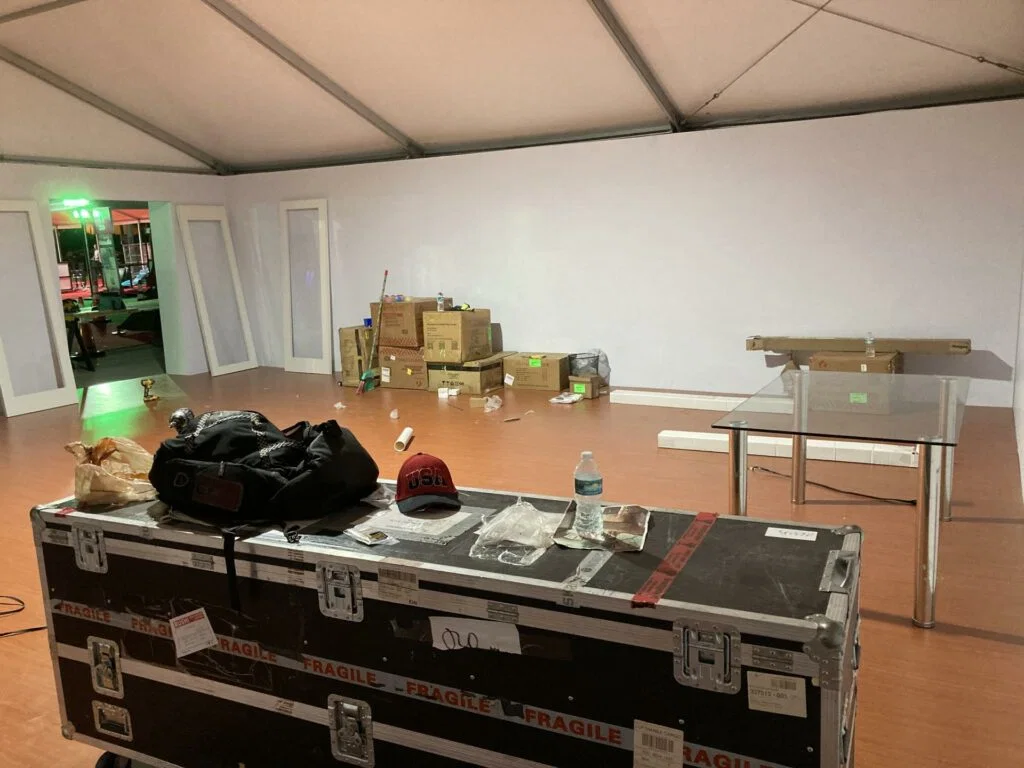
Drayage and material handling are where small freight decisions turn into big schedule problems. The team needs crate identity, dock timing, and a staging plan the floor crew can actually use.
In Reno, Shipping, Drayage, and Material Handling works best when carrier movement, empty returns, and booth sequence all belong to one operational lane.
The Reno event landscape
Convention weeks stack closely on Reno's calendar, hotels compete for the same beds, and the buildings themselves dictate the show floor's constraints — including for a service.
Tightening the budget doesn't tighten the audience — Reno exhibitors still face the same aisle as full-spend competitors. Specific planning beats generic templates every time, especially on a service.
Where Reno shows cluster
The North Lake Tahoe area runs through Incline Village, Crystal Bay, Tahoe City, Truckee.
South Lake Tahoe and Stateline runs across Stateline, South Lake Tahoe, Zephyr Cove. Important for mountain-destination conferences, arena-floor events at Tahoe Blue, and casino-corridor hospitality programs.
How Reno floor operations work
Reno's labor map is venue-based: each building publishes its own scope of who does what. The service reads the manual and stays inside the lines.
In practice: pull the current exhibitor manual, then get three things in writing — what the venue's in-house crew handles, what the show GC handles, and what an exhibitor or their appointed contractor can do without escalation.
Reno Tahoe destination positioning — the destination offers unique planning flexibilities and cost savings for hosts, exhibitors, and attendees, which supports a more flexible public posture than strict union-only convention markets.
Practical planning rules for the handling in Reno: Convention-center and resort programs usually benefit from early coordination on utilities, freight access, storage, move-in timing, and venue approvals.
The buildings that host Reno events
Reno venues differ on floor plans, labor rules, and freight logistics — the service adjusts per building.
Building-to-building, what changes are the labor model, the rigging approval path, the drayage process, and the move-in window. The service matches whichever venue is in play.
Reno-Sparks Livestock Events Center.
Reno-Sparks Livestock Events Center suits large consumer shows, motorsports and outdoor equipment events, equestrian and agricultural programs, festival style activations.
Grand Sierra Resort and Casino: it has more than 200,000 square feet of flexible meeting space and 45 meeting rooms.
Peppermill Resort Spa Casino is one of the anchors. It has 106,000 square feet of meeting space.
Line items on a typical project
Scope generally covers design, fabrication, graphics, AV, labor coordination, freight, install, show-hours support, and strike — but the weighting on this service sits a bit differently than a generic project.
The handoffs on a the handling project matter almost as much as the line items. Design has to hand a build-ready drawing to fabrication. Every handoff is a place quality can drop.
For recurring use, asset management is part of the engagement. Storage location, refresh cadence, graphic timing, and crate condition are tracked alongside the build itself.
The service integrates with them rather than swallowing them.
How a project runs
First call defines the show, the plan, the deadlines, and what a successful service looks like. Everything afterward references those four points.
From there, venue coordination starts. Manual, dock and freight windows, rigging approvals, utility orders — all aligned to building specs for the service.
Production opens after venue details are signed. Build, graphics, AV integration, rental staging, and the on-site lead's playbook are all locked in this phase.
The install lead owns everything from labor calls to graphics QA to daily client updates on the service.
While doors are open, the service is a live op. Repairs, sponsor changes, lead capture issues, and venue questions all route through the on-site team.
Strike runs inside the venue's posted dismantle window, and a same-day debrief captures what worked and what needs to change before the next show.
Pricing and scheduling
Pricing on the service traces back to real line items — fabrication, print, services, labor, freight, travel. Round numbers without that breakdown almost always hide an assumption.
Cost is formed by the build path (custom, rental, or hybrid), the footprint, the venue's own service fees, graphics scope, freight, and the count of supervision days. Two booths the same size can land double the price apart.
Custom timelines run cleanest at 4-5 months. Rentals at 2-3. Compressing either one is doable but pushes rush charges into the service's number.
How project performance gets measured
What good looks like: booth lands on time, passes the first-walk inspection, holds through every show hour, and ships at strike. The service either hits all four or it doesn't.
Serious measurement looks at leads, meetings booked on the floor, and post-show pipeline value. The service is upstream of all three, but the team on the floor moves the actual scoreboard.
Best-performing programs put real operators on the service. Floor conversation discipline outweighs any scenic decision in the impact column.
What makes our work different
Trade Show Services of Reno builds, prints, stocks, and installs out of Reno. The service comes from the same building that ships and installs it.
National vs local makes the biggest difference on install day. The service can pull a missing part or graphic from the Reno shop in a single round trip.
When the same team handles a service across a calendar, the install gets faster and quieter every time. By the fourth show, surprises are rare and adjustments are pre-planned.
Frequently asked questions
Do you work at the Discovery?
Yes. It can host groups from 15 to 1,800 and offers 67,000 square feet of galleries and exhibits alongside private event spaces.
How does labor work in Reno?
It runs venue by venue.
What's billed flat versus pass-through?
Design, project management, fabrication, supervision days, and freight are flat. Venue services, drayage, electrical, rigging, and union labor pass through at venue rates with a clear estimate up front.
How is the working budget set?
Two passes.
Who owns the post-show closeout?
The same project lead who ran the install.