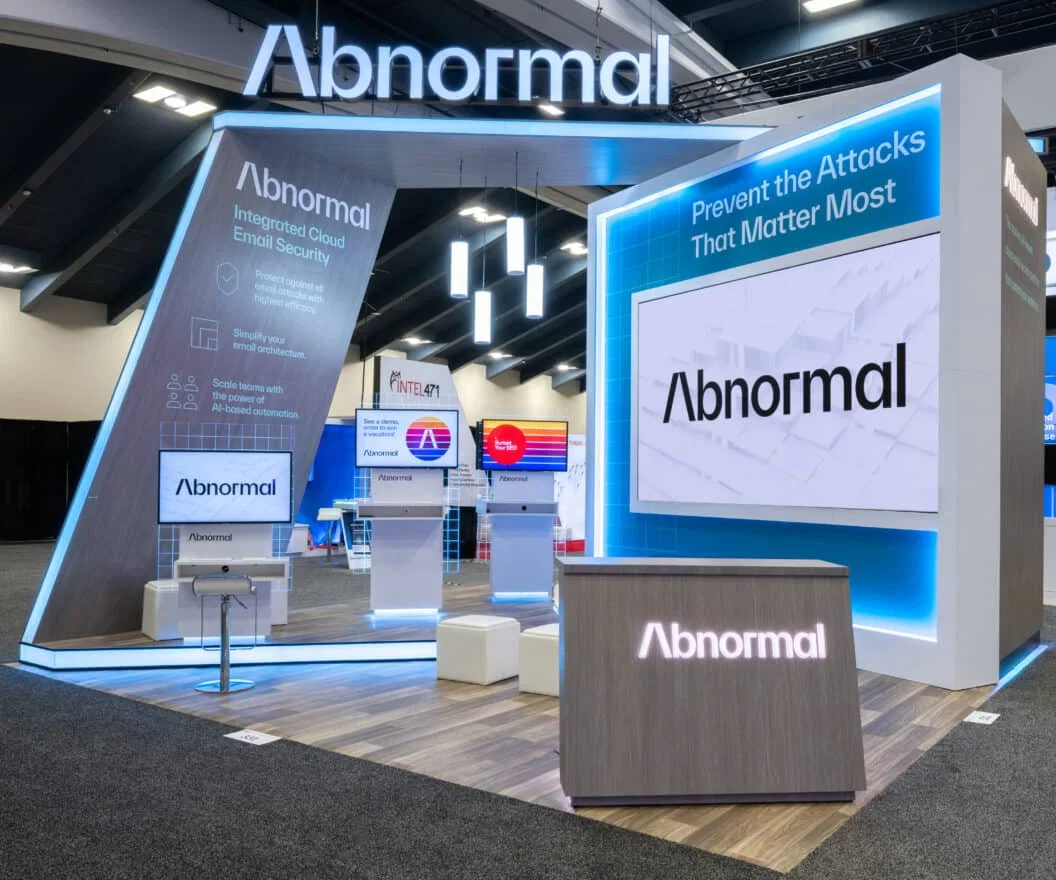
Labor coordination matters when multiple hands touch the same booth, dock, or stage on a tight clock. The crew mix has to reflect the real work order, not simply the budget’s best guess.
In Reno, Trade Show Labor Coordination works best when call times, breaks, handoffs, and shift changes are designed around the actual install path.
Reno as a trade show city
On the service, Reno's ecosystem is the operating context: known venues, known labor model, known local capacity.
Dock windows, rigging slots, and labor availability all run tight during Reno's busy weeks. The service either gets planned in or gets squeezed out.
downtown Reno as a real meeting cluster with the Reno Events Center, Reno Ballroom, National Bowling Stadium, museums, and Greater Nevada Field — a useful reference point when sizing a project.
Reno convention venues and meeting properties
Each Reno venue has its own labor jurisdiction, rigging approval path, drayage setup, and move-in window. The service matches the building, not the other way around.
Rancharrah is one of the anchors. The Event Room handles roughly 85 to 100 guests while the Backyard can host up to 500 guests.
Tahoe Blue Event Center: it has more than 50,000 square feet of total meeting, convention, and exhibition space.
Reno labor and venue services
There is no single labor model for Reno trade shows.
The boring approach to service labor on Reno floors: read manual, match categories, direct-order, schedule around posted windows. Skipping any step is where surprises start.
Reno is flexible at the market level; the service still hits venue-specific policies on docks, security, AV, catering, packages, exhibitor services. Early coordination wins.
Reno neighborhoods and event districts
Downtown Reno, Midtown Reno, West Reno form the Downtown Reno Event Core cluster. Downtown cluster designed around the Reno Events Center, Reno Ballroom, National Bowling Stadium, Whitney Peak, museums, Greater Nevada Field, and adjacent hotel inventory.
Sparks and East Truckee Meadows — Sparks, Victorian Square, Spanish Springs — is a different environment. Covers Sparks-based hospitality, event overflow, and east-side service demand that feeds Reno programs and regional venues.
Scope on a trade show labor coordination project
The service runs end to end — scope development through dismantle, with fabrication or rental, print, services, logistics, and on-site execution all in scope.
Budgets are usually built from eight blocks: structure, graphics, AV, venue services, labor, freight, supervision, closeout. The service determines which block carries the most weight.
The number of surprises on install day is a leading indicator of how the upstream handoffs went. Clean handoffs, fewer surprises — every time.
Programs spanning more than one show pull in storage, refresh cycles, graphic updates, and re-kitting. Done well, the service ships out of Reno already prepped for the next venue.
Default exclusions: show organizer fees, booth lease payments to the show, client staff travel and per diems, and any client-owned software or lead-capture stack. Those run alongside the service, not through the invoice.
The process from start to finish
Project start on the service: venue, dates, footprint, target outcome. From there, a plan can be drafted that matches reality.
Brief approved, the work moves on to the venue side: dock window, utilities, rigging approvals, labor calls — all in writing, all locked before the service ships from the shop.
service production: fab, print, AV spec, rentals, crew chief named. Longest single phase; timeline integrity rises and falls inside it.
Install days on the service have one owner — same person, same role, same shift pattern. Plan in hand, punch list in real time, daily status report up.
Through every show hour, the lead remains on the floor. Tech failures, sponsor swaps, building requests get handled by the service team without pulling client staff off conversations.
Strike and closeout on the service happen the same day — storage labels, outbound manifests, vendor performance notes, and a written debrief inside 24 hours of doors closing.
Cost and lead time
The same handful of variables drives every project's cost. The service sets where each lands.
service cost levers: custom vs rental, footprint and complexity, venue labor and rigging fees, graphics scope and substrate, freight distance and timing, supervision day count.
service lead times: 16-20 weeks for custom, 8-12 for rental, under 4 raises rush cost and shrinks options.
Outcomes we optimize for
A successful project measures up on four points: on-time install, no venue infractions, clean show hours, and documentation that simplifies the next event.
Three KPIs typically run a Reno program: lead capture, on-floor meetings, post-show pipeline. The service feeds those numbers; it doesn't replace them.
Post-show, the service's actual floor results emerge inside a week. They get logged with the technical closeout so the next program starts with real signal.
Why Trade Show Services of Reno
On the service, design, build, and install share one team and one playbook — that's the lever that keeps quality steady through show week.
Replacement service components or graphics are sourced from the Reno shop, not flown in.
Continuity is a local hire's other advantage: the same builders run install and pack-out, and they catch the small issues on the service without pulling the client in.
Frequently asked questions
Do you work at Hyatt Place Reno-Tahoe Airport?
Yes. Hyatt Place Reno-Tahoe Airport has 1,800 square feet of meeting and event space.
How does labor work in Reno?
It runs venue by venue.
How are change orders handled mid-project?
Each change runs through a single owner with cost, schedule, and venue impact attached. Approval is in writing and lands in the project log so nothing slips through the gaps between shops.
Do you self-perform install or rely on local crews?
A combination. The lead crew comes in with the project.
What's billed flat versus pass-through?
Design, project management, fabrication, supervision days, and freight are flat. Venue services, drayage, electrical, rigging, and union labor pass through at venue rates with a clear estimate up front.