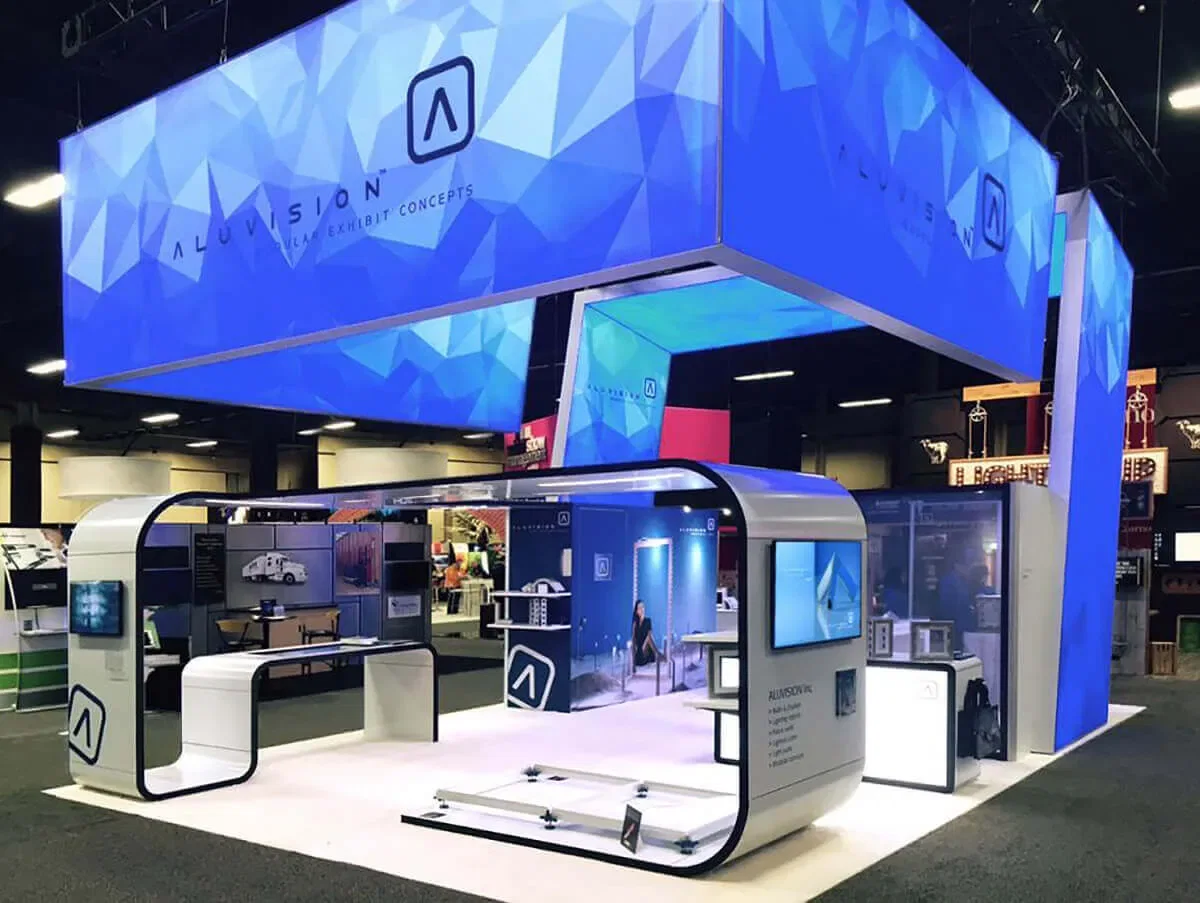
Roadshow support is about continuity across moving stops. The room, the dock, and the asset sequence keep changing, so the work has to preserve the campaign identity while still respecting local conditions.
In Reno, Roadshow and Mobile Tour Support works best when the team writes the route, the swap points, and the on-the-road support rhythm before the first truck is packed.
Reno convention venues and meeting properties
On the service, the building is the biggest variable in the plan. A small set of Reno venues carry most of the calendar.
Building-to-building, what changes are the labor model, the rigging approval path, the drayage process, and the move-in window. The service matches whichever venue is in play.
Edgewood Tahoe Resort. It offers up to 7,000 square feet of scalable meeting space across the Lodge and Clubhouse.
Edgewood Tahoe Resort suits executive retreats, VIP hospitality, brand dinners, premium incentive programs.
Bowl Incline is one of the anchors.
The Chateau at Incline Village: the Chateau offers 5,200 square feet of flexible meeting space with mountain and lake views.
Reno labor and venue services
Most install-day problems in Reno trace back to labor assumptions. Sticking with the venue's published rules for the specific show keeps the service clean.
Real labor planning starts with the manual for that show and a written confirmation of who covers what — house crews, show GC, and exhibitor or appointed contractor. The service runs cleanly when those lines are clear.
Peppermill Resort Spa Casino: Peppermill's official policies say freight doors require approved security coverage, freight-elevator access must be arranged through Convention Services, and load-in documentation, insurance, and floor plans are required in advance for decorators or production companies.
Lake Tahoe and event venues frequently mandate in-house or approved partners for F&B, production, and decor. The service respects each one's published list.
Reno neighborhoods and event districts
Carson City, Minden, Gardnerville, Dayton form the Carson City and Carson Valley Extension cluster. Smaller-city extension zone for government, regional business, hospitality, and off-site event demand that still routes naturally through Reno operations.
North Valleys and West I-80 Logistics Belt — North Valleys, Stead, Lemmon Valley — is a different environment.
What's included in the project scope
For this service, the AV and supervision pieces tend to drive the schedule.
The service determines which block carries the most weight.
Clean handoffs, fewer surprises — every time.
Multi-show calendars layer in asset work — climate-controlled storage, scheduled refurbishment, graphic rotations, and re-kitting between dates so the service arrives at the next city ready to install.
Clean scope spells out what's not included on the service: organizer charges, client staff travel, plus pre-existing client contracts (CRM, lead capture, promo). Those integrate, but they don't pass through.
The process from start to finish
Project start on the service: venue, dates, footprint, target outcome. From there, a plan can be drafted that matches reality.
Venue coordination is next: pull the current exhibitor manual, confirm dock and freight windows, submit rigging approvals where needed, and place utility orders against the building's specs — all aligned to the service.
Plan becomes physical at production: service build, graphics, AV spec, rental staging, named show-site lead.
Install: one lead, one accountable owner. The service runs through them with a daily status update to the client.
Live show hours, live operations. The service handles repairs, sponsor changes, lead capture issues, and venue questions on its team — client staff stay on conversations.
Closeout for the service ships the day of strike — crate, manifest, storage, post-show report. The report informs the next show booking.
Cost and lead time
service pricing line items: fab or rental, graphics, services, labor, freight, travel. Anything quoted as a single round number is hiding one of those.
On the service, cost moves with build type, footprint, venue charges, graphic complexity, freight distance, and supervision day count.
Calendar drives the service: custom needs 16-20 weeks, rental works on 8-12, anything under 4 means rush.
Outcomes we optimize for
What good looks like: booth lands on time, passes the first-walk inspection, holds through every show hour, and ships at strike. The service either hits all four or it doesn't.
Lead capture and pipeline conversion drive trade show ROI. The service either makes those numbers easier or makes them harder.
Seven days after the show, the service's actual performance is sharper than any pre-show forecast. The notes go into closeout so the next cycle inherits data, not memory.
Why Trade Show Services of Reno
Trade Show Services of Reno runs design, build, and install as one team for every service. Continuity of crew and playbook keeps quality predictable.
Local-vs-national shows up most at install. A Reno team solves a service issue in a drive-time round trip; a national vendor ships overnight if at all.
Repeat programs cost less per show when the same team runs every service. Less briefing, less retraining, less re-checking — operational overhead drops year over year.
Reno as a trade show city
Reno tempo is fast. Venue bookings stack months out, freight is constrained, and exhibitors who win the week show up with the service planned end to end.
Some weeks pull regional buyers, others international. Either way, the service runs on the same four fundamentals: graphics, services, labor, building plan.
the destination has more than 1 million square feet of CVB-managed meeting space across four managed venues, which sets the practical ceiling for a booth program working the market.
Frequently asked questions
Do you work at Nevada Museum of Art?
Yes. It can host groups of up to 1,000 and rents one room or the entire museum.
How does labor work in Reno?
It runs venue by venue.
What does success look like one show in?
Clean install with no venue callouts, the booth running through every show hour, leads captured against the plan, and a closeout package the marketing team can use to brief the next event.
What scope is locked before fabrication starts?
Booth design, materials, graphics layout, AV spec, freight routing, and the venue service orders are signed off before tooling. Skipping any of those puts the timeline and the budget at risk.
How are change orders handled mid-project?
Each change runs through a single owner with cost, schedule, and venue impact attached. Approval is in writing and lands in the project log so nothing slips through the gaps between shops.